A sink that refuses to drain, a shower that slowly fills up with water, or a toilet that threatens to overflow are some of the most common and frustrating household issues. The buildup of hair, soap scum, grease, and food waste is inevitable over time.
When faced with this problem, the first instinct for many homeowners is to rush to the supermarket and buy a cheap bottle of liquid drain cleaner. However, this "easy fix" often fails to solve the root problem and hides heavy consequences for your plumbing infrastructure, your health, and the environment. Here is what you need to know about clogged drains and how to truly fix them.
1. The Warning Signs of a Developing Clog Blockages rarely happen overnight; they give warning signs. If you notice a foul, sewer-like odor coming from your sink, hear gurgling noises when water drains, or see that water is draining significantly slower than usual, a clog is forming. Addressing it at this stage is much easier than dealing with a completely blocked and overflowing pipe.
2. Safe, Natural Alternatives to Try First Before reaching for toxic chemicals, try a safer DIY method. Pour a half-cup of baking soda down the drain, followed by a half-cup of white vinegar. Let the mixture fizz for about 15 minutes to break down organic matter, then flush it with a kettle full of boiling water. A standard cup plunger can also effectively dislodge minor blockages near the surface.
3. The Invisible Dangers of Chemical Cleaners If natural methods fail, do not use chemical cleaners. These products rely on highly caustic acids or lye to eat through blockages. To do this, they generate intense heat. This thermal reaction can warp, soften, melt, or outright crack modern PVC pipes, leading to massive leaks inside your walls. Furthermore, if the chemical fails to break through the clog, you are left with a sink full of highly toxic, corrosive water that makes it incredibly dangerous for a plumber to work on later.
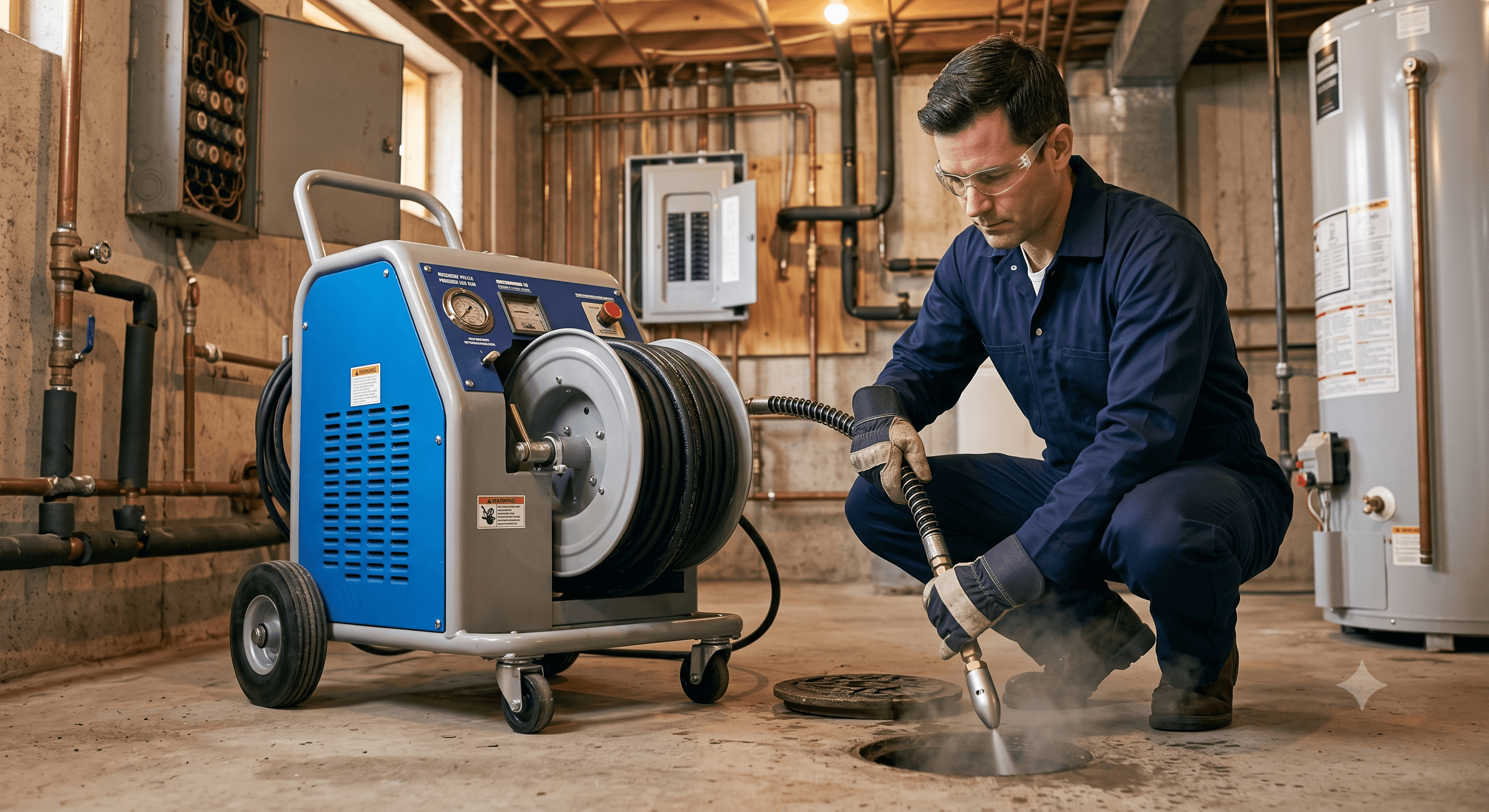
4. The Efficiency of Professional Unclogging When a drain is stubbornly blocked, professional intervention is the safest and most effective route. A professional plumber doesn't guess; they use tools like endoscopic drain cameras to locate the exact nature and depth of the blockage. They then use mechanical or hydrodynamic methods—such as motorized augers (electric snakes) or high-pressure hydro-jetting. These techniques don't just poke a temporary hole in the clog; they scrub the inside walls of the pipe clean, removing years of buildup and preserving the integrity of your installations for the long term.
Protect your pipes, save money on future repairs, and solve the problem at its source with qualified professionals. SOS House intervenes quickly for any residential or commercial drain unclogging in Luxembourg. Contact us via our online form or by phone for a rapid intervention!